
Living a Life of Purpose
Purpose is something you give away.

This is a story about living a life of purpose, and it turns on a small decision made by a tired man on a Saturday.
He had spent years reading about purpose, taking the quizzes, waiting to feel sure. He was still waiting. Then a youth program down the street asked if anyone could show up and just help - no expertise required. He almost said no. He was tired. He went anyway.
Two hours later, helping a fourteen-year-old rework a resume, he felt something he had been chasing in books for years. Not because he had finally found his purpose, but because he had finally used himself for someone.
That is the turn this whole collection has been building toward. Purpose stops being a question the moment you aim it at someone else.
Why This Matters Right Now
So much advice about purpose points inward. Find yourself. Know yourself. Discover your calling. And there is a place for that - the earlier articles in this collection spent real time there.
But a purpose that only ever points back at you has a short shelf life. Kept private, it curdles into self-improvement with no one on the receiving end. You can spend years refining a calling you never actually give to anyone.
The people who seem most alive with purpose are almost never the ones who found the perfect one. They are the ones who took an ordinary one and pointed it outward.
A purpose kept to yourself slowly fades. A purpose given away is the only kind that grows.
Purpose Is Not a Possession
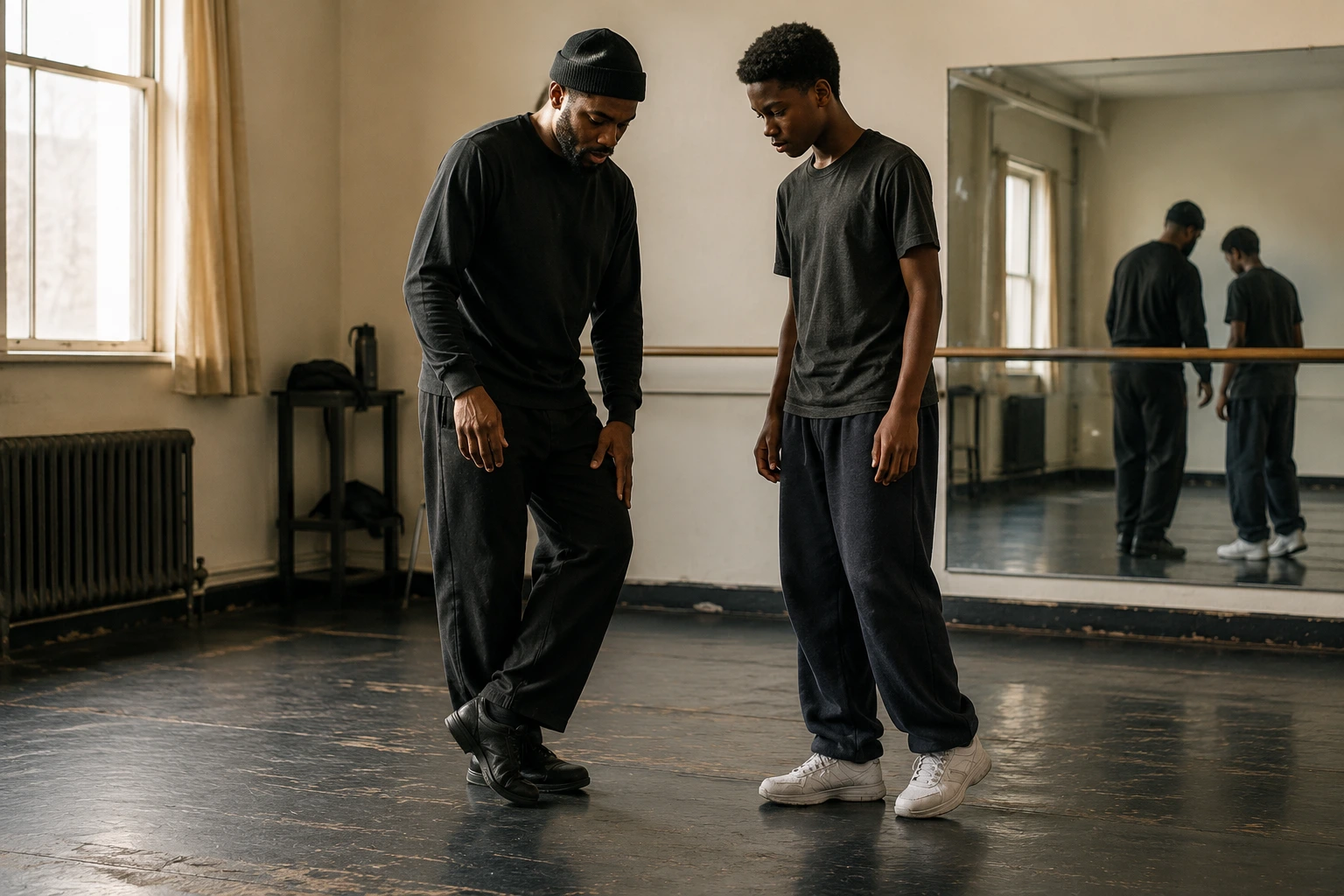
We treat purpose like a thing to find and then own - mine, at last, secured. But purpose is not a possession. It is a current. It only stays alive while it is moving through you to someone else.
Think of how a candle lights another candle. It loses nothing and the light doubles. Purpose given away works like that. Teaching what you know does not deplete you; it multiplies the knowing. Helping someone does not use up your meaning; it renews it.
So the question shifts one more time. Not what is my purpose, but where can I put it to use - starting with whoever is closest and most in need of it.
Five Ways to Give Your Purpose Away
You do not need a cause or a title. You need to point what you already have at someone who could use it.
- Teach one thing you know. Whatever you are good at, someone nearby is trying to learn. Offer it.
- Show up small and steady. Consistent presence beats grand gestures. An hour a week, reliably, changes lives.
- Solve a problem on your own street. Purpose does not require scale. The need in front of you counts.
- Mentor one person. You do not have to fix someone’s whole life. Walking a little ahead and looking back is enough.
- Give what only you can. Your specific story, skill, or scar may be exactly what someone else needs to get through.
Three Beliefs That Keep Purpose Bottled Up
“I have to have it all figured out before I can help anyone.”
We wait to be qualified, and the waiting never ends. You do not need to be finished to be useful. Most meaningful help comes from people one step ahead, not from experts. Start before you feel ready; readiness arrives through the doing.
“My contribution is too small to matter.”
Held against the size of the world’s problems, any single act looks minor. But purpose is not measured against the world. It is measured against one person’s actual day. To the person you help, small is not small at all.
“Serving others means neglecting myself.”
Real generosity is not self-erasure, and burnout helps no one. But the fear is usually overblown. Giving your purpose away, in sustainable doses, tends to fill you rather than drain you. The goal is a steady flow, not a sacrifice.
Three People, Three Acts of Giving
The following are composites created for illustration - not real individuals - but the situations will feel familiar.
Nia is twenty-four and unsure what her life is for. She stops trying to figure it out and starts tutoring reading at the library on Sundays. She is not an expert. She is just steady. A year in, three kids read better because she kept showing up, and she finally feels aimed at something.
Ray is forty-eight and successful but hollow. He has money and no sense of use. He begins mentoring one young tradesman - just answering calls, sharing what took him decades to learn. Watching that kid avoid his old mistakes gives Ray more than any promotion ever did.
Corinne is sixty-six and afraid of becoming invisible. She organizes a monthly meal for neighbors who live alone. It is nothing fancy - soup, bread, company. But the table she sets has become the center of a small community, and she is anything but invisible now.
What the Dance Community Already Knows About This
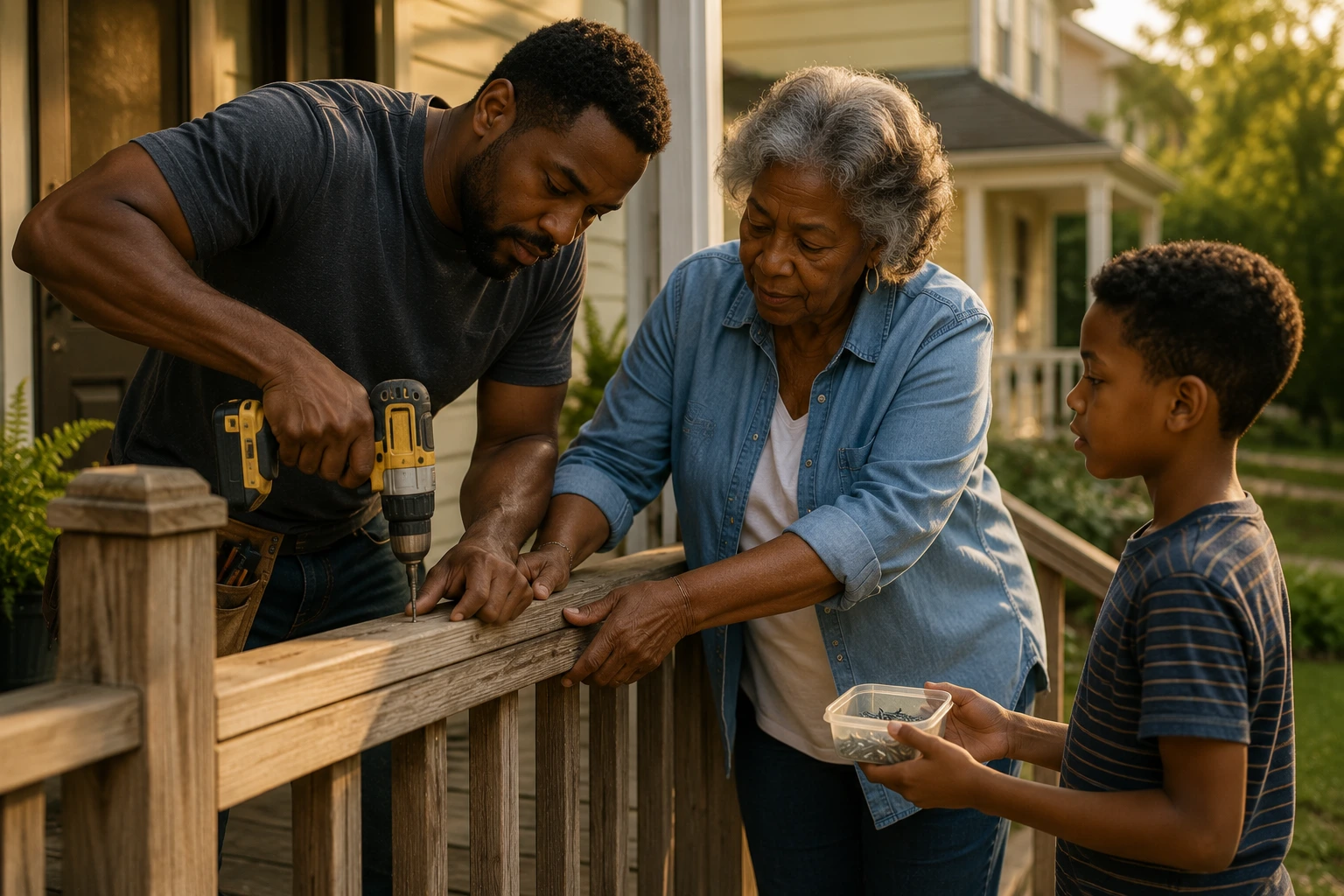
This is where dancers stop being a useful example and start being the whole point. Ask almost any working artist how they found their footing and somewhere in the answer is a teacher who gave time they were not paid for.
Dance survives entirely on purpose given away. A form only continues because someone chose to teach it to someone else, usually for far less than the hours were worth. The styles and traditions we document are living proof that a calling grows by being handed over, not hoarded. That same conviction runs through our family and goal-setting workbooks, which exist to help people pass on what they know.
You do not have to teach a plié for this to be yours. Whatever you carry - a trade, a language, a hard-won calm - someone near you is waiting to receive it. Dancers just built a whole art form on that truth.
The purpose you give away is the one that comes back to you multiplied.
Reflection
Take a few quiet minutes with these.
- What do I know or carry that someone nearby could use right now?
- Where have I been waiting to feel ready instead of just starting?
- Whose day could I actually change with one steady hour a week?
- What need is sitting right on my own street, unaddressed?
- Who walked a little ahead of me - and who could I do that for?
- Am I refining a purpose I have never actually given to anyone?
Talk About It With Your Family
- What has our family always been good at giving to others?
- Who around us could use something we already have to offer?
- What is one small act of service we could do together this month?
- Who mentored the people before us, and how did it change things?
- How do we want to be known in our community - for what we have, or for what we give?
Your Small Action Step: A Contribution Compass
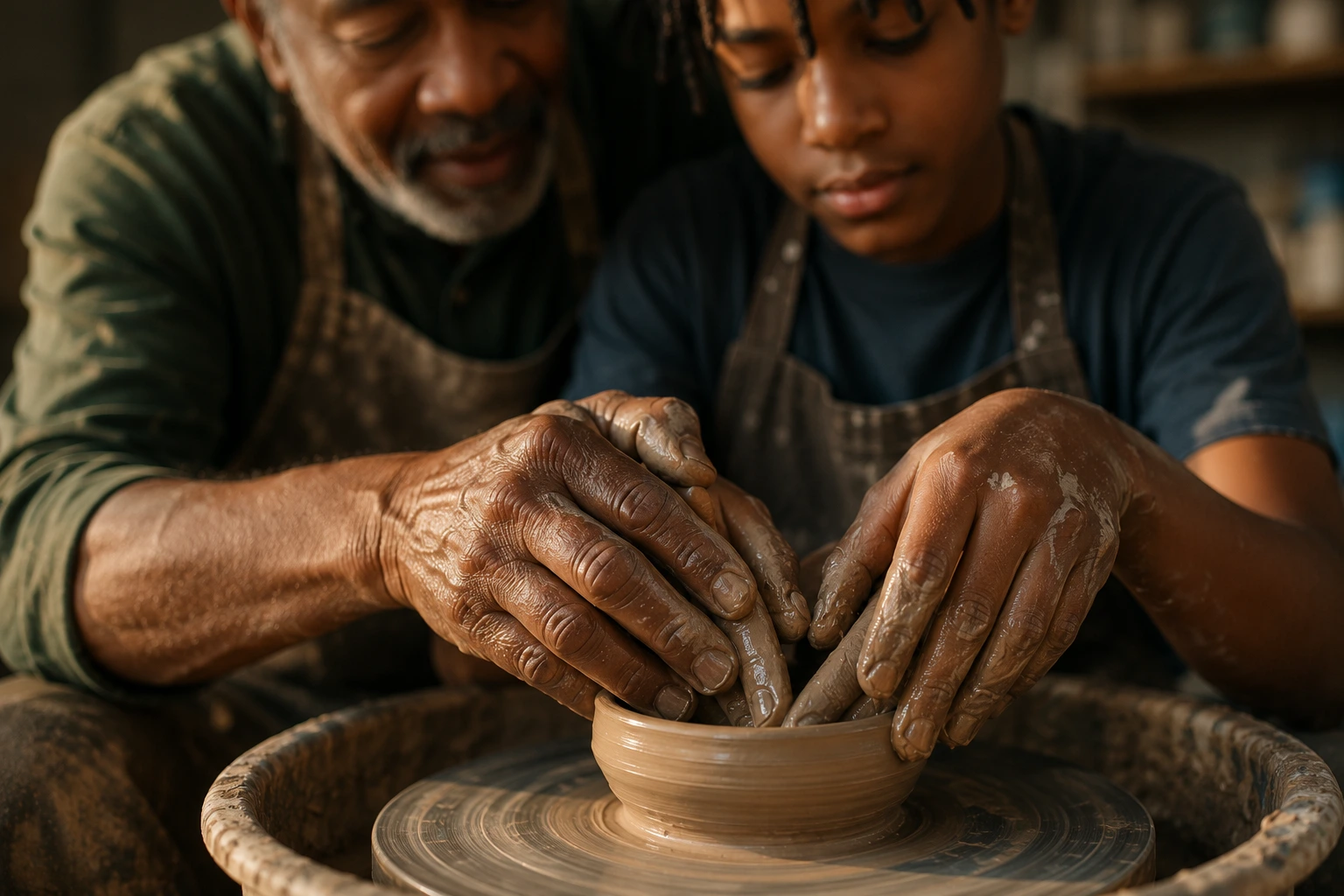
Take one page. Write three things you can offer, three people or groups who could use them, and one small way to connect the two this month.
You are not committing to change the world. You are pointing one thing you already have at one person who needs it. That is where a life of purpose actually starts.
Key Takeaways
- A purpose kept to yourself slowly fades; a purpose given away is the only kind that grows.
- Purpose is a current, not a possession - it stays alive by moving through you to others.
- You do not have to be finished or expert to be useful.
- Contribution is measured against one person’s day, not against the whole world.
- Sustainable giving tends to fill you rather than drain you.
- The purpose you give away is the one that comes back multiplied.
Frequently Asked Questions
How do I live a life of purpose if I do not know what my purpose is?
Start by giving away something you already have - a skill, an hour, a bit of attention - to someone who could use it. Clarity about your purpose usually comes through serving, not before it. Action teaches what reflection cannot.
Does living with purpose require volunteering or a cause?
Not necessarily. Purpose can flow through parenting, mentoring, your work, or simply being reliably useful to the people around you. A formal cause is one option, not a requirement.
How do I serve others without burning out?
Aim for a steady, sustainable flow rather than heroic sacrifice. A small, reliable commitment you can keep for years does more good than an intense effort that collapses. Protecting yourself is part of serving well.
Is it selfish to want purpose for how it makes me feel?
No. Purpose that helps others and fulfills you is not a contradiction; it is how it is supposed to work. The good feeling is a signal you are aimed in the right direction, not a reason for guilt.
Can small acts really count as a life of purpose?
Yes. A life of purpose is built from repeated small acts far more often than from a single grand one. To the person you help, nothing about it is small.
What if my attempts to help are not wanted or do not work?
That happens, and it is worth listening when it does. Serving well means paying attention to what people actually need rather than what you assumed. Adjust, and keep showing up where the help genuinely lands.

Next in This Collection: Leaving a Legacy of Purpose
If a purpose grows by being given away, one last question follows it home: what happens to it after you are gone?
The final article, “Leaving a Legacy of Purpose,” is about the longest handoff of all - how a purpose outlives the person who carried it, and how to start passing it on now.
- How to Find Your Purpose
- How to Find Meaning in Life
- Finding Meaning in Work
- Living a Life of Purpose — you are here
- Leaving a Legacy of Purpose
Dance Mogul Magazine publishes the Beyond Wealth collection for educational and inspirational purposes. It is not financial, legal, tax, medical, or mental-health advice, and it is not a substitute for guidance from a licensed professional who knows your situation. The people described in the examples are composites created for illustration and do not represent real individuals.
© Dance Mogul Magazine. All rights reserved.