Leaving a Legacy of Purpose
A legacy is what you hand over while you are still here.
This is a story about leaving a legacy of purpose, and it begins with a recipe that almost died with the person who knew it.
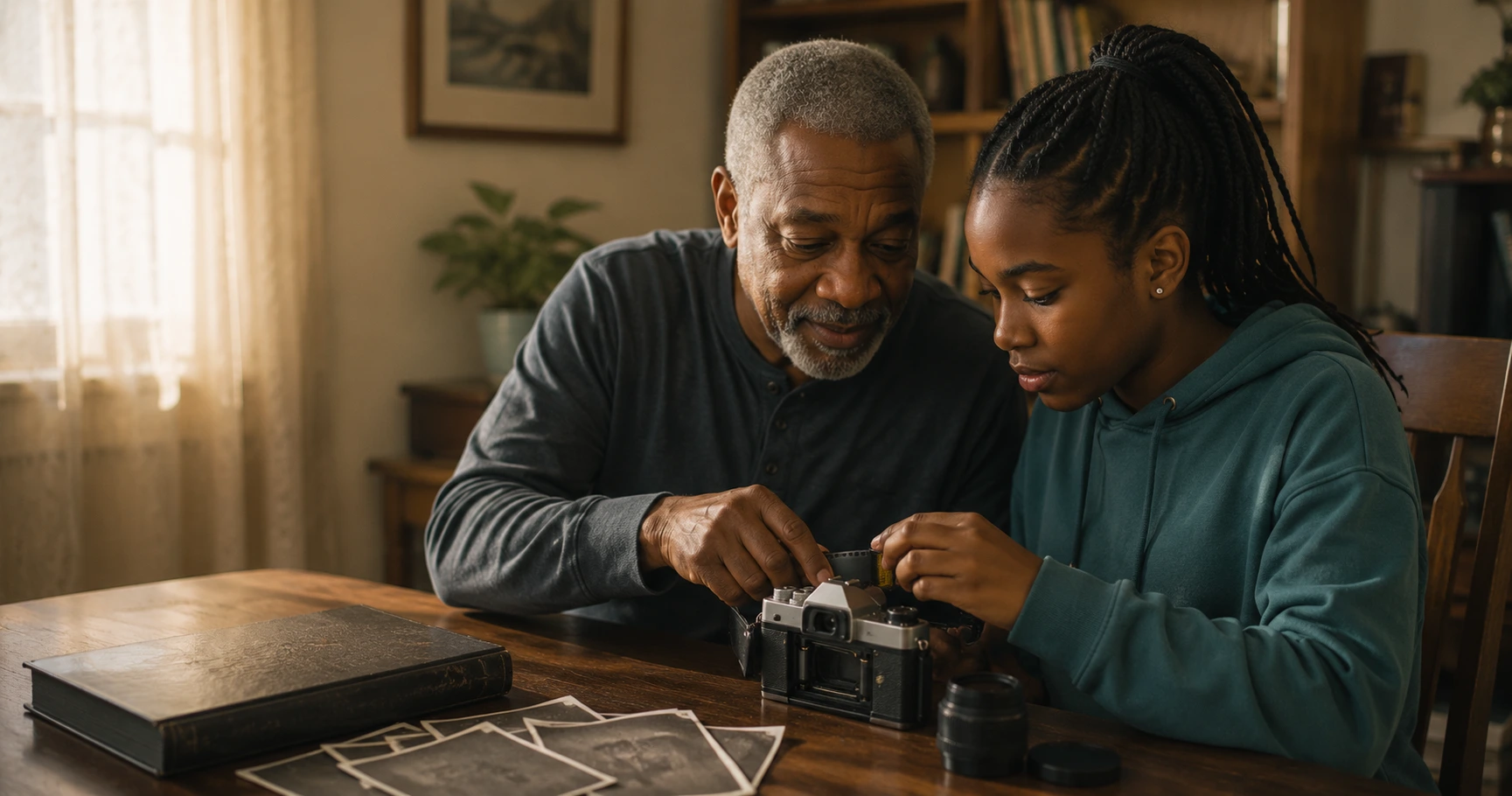
An old woman made a bread her whole family loved, and never wrote it down. It lived in her hands - a pinch of this, a feel for that. One afternoon her granddaughter finally stood beside her and said, teach me, slowly, so I can do it too. They spent three hours in the kitchen. The bread survived.
It sounds small. It is not. That afternoon a piece of a person passed into another person and became able to outlive them both. That is what a legacy actually is, stripped of the grand language.
And the important part is the timing. The bread was not left behind. It was handed over, in person, while there was still time.
Why This Matters Right Now
We tend to file legacy under later. It sounds like a thing for the end - a will, a plaque, a final chapter. So we postpone it, and postponing feels safe.
But a legacy you only leave is a legacy you gamble on. Handed over at the last minute, or not at all, the most important things you carry - what you know, why you did it, who you became - can vanish quietly and completely.
The people whose purpose outlives them almost never wait. They start the handoff early, on ordinary days, while they can still answer the follow-up questions.
A legacy is not what you leave when you go. It is what you hand over while you are still here.
Legacy Is a Transfer, Not a Monument
We picture legacy as something built to last - a monument, a fortune, a name on a wall. But the legacies that actually change lives are rarely monuments. They are transfers.
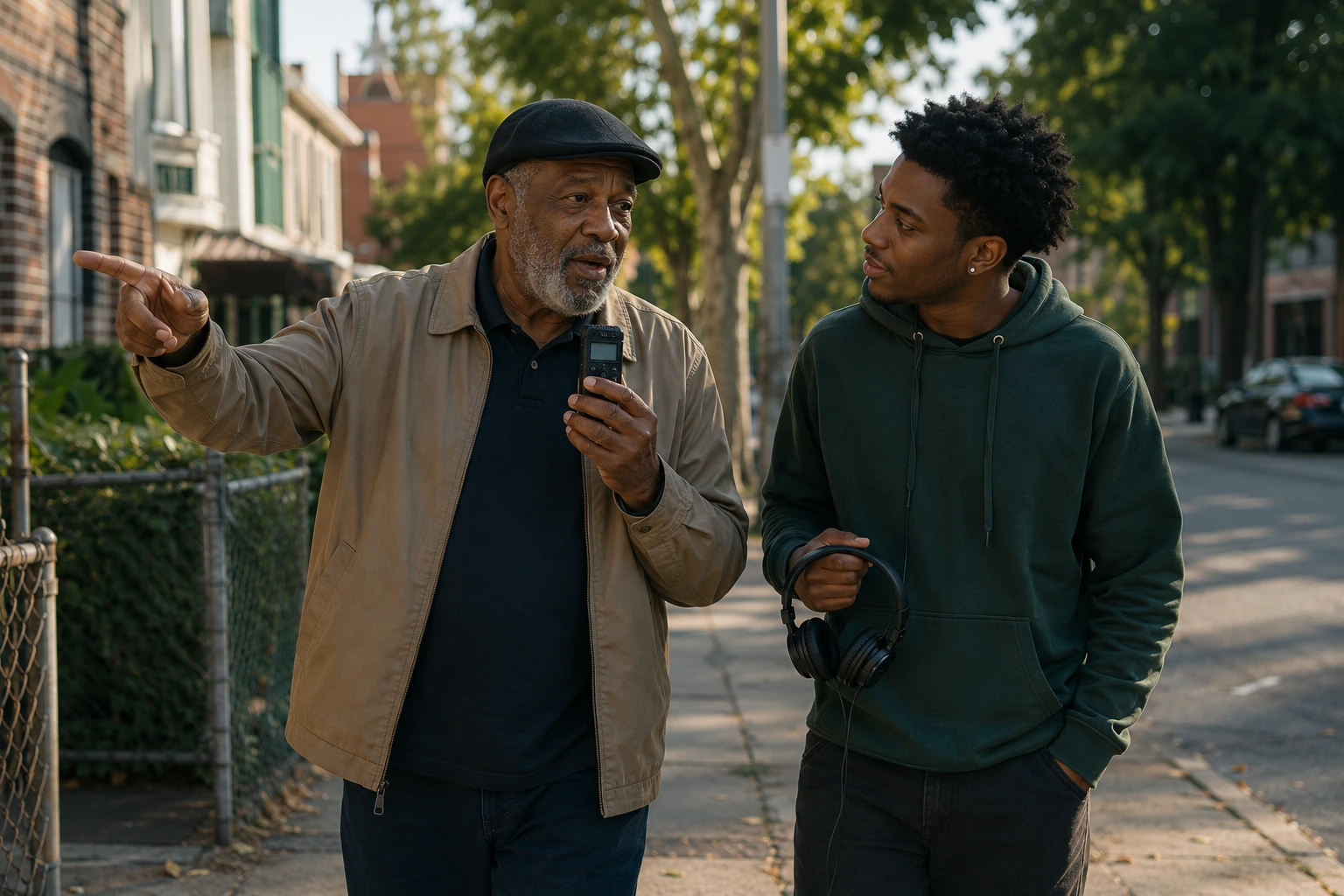
A monument sits still and asks to be admired. A transfer moves - it lands in another person and keeps going. Money can be spent and a plaque forgotten, but a value that took root in your child, a skill you taught a stranger, or a reason you gave someone to keep going will travel through people for generations.
So the aim is not to build something impressive to leave behind. It is to pour what matters most into people while you still can, and trust them to carry it.
Five Ways to Start the Handoff Now
You do not need to be old or ill to begin. You need to start moving what you carry into someone else.
- Record one story. Sit with an elder, or be the elder, and capture how and why - not just what happened.
- Teach a skill hand to hand. Do not just describe it. Stand beside someone until their hands know it too.
- Say the why out loud. People inherit our choices without ever hearing our reasons. Give them the reasons.
- Write the short version down. A page of hard-won lessons outlives you more reliably than your memory will.
- Name who carries what. Decide, out loud, who you are entrusting with each thing that matters, and tell them.
Three Beliefs That Delay a Legacy
“Legacy is for old age.”
We assume there is always time, so we wait. But the handoff works best on ordinary days, over years, not in a rush at the end. Starting young does not mean you are morbid. It means the people who follow you get the fuller version.
“Legacy is about money and property.”
Estates matter, and an attorney should handle the legal side. But the inheritances that shape a person most are usually not financial. Character, knowledge, values, and reasons outlast capital, and they are passed by presence, not paperwork.
“My life is too ordinary to leave a legacy.”
We think legacy requires fame or fortune. It does not. An ordinary life lived with care leaves the deepest marks - in the people who were shaped by how you showed up. You are already leaving one. The choice is whether you do it on purpose.
Three People, Three Handoffs
The following are composites created for illustration - not real individuals - but the situations will feel familiar.
Malik is thirty-five and just became a father. He realizes he knows almost nothing about why his own grandfather made the choices he did. So he starts recording his father telling stories, one Sunday a month. He is not waiting for the end. He is building the archive now, while the storyteller is still here.
Deborah is fifty-two and the only one who knows how the family business really runs. Instead of guarding it, she spends a year teaching a younger employee everything - the judgment, not just the tasks. When she eventually steps back, the purpose she built does not step back with her.
Walter is seventy-nine and quietly certain he has nothing to leave. Then his grandson asks him to write down the lessons that got him through. Walter fills a notebook - plain, honest, unpolished. Years later that notebook is the most valuable thing the family owns.
What the Dance Community Already Knows About This
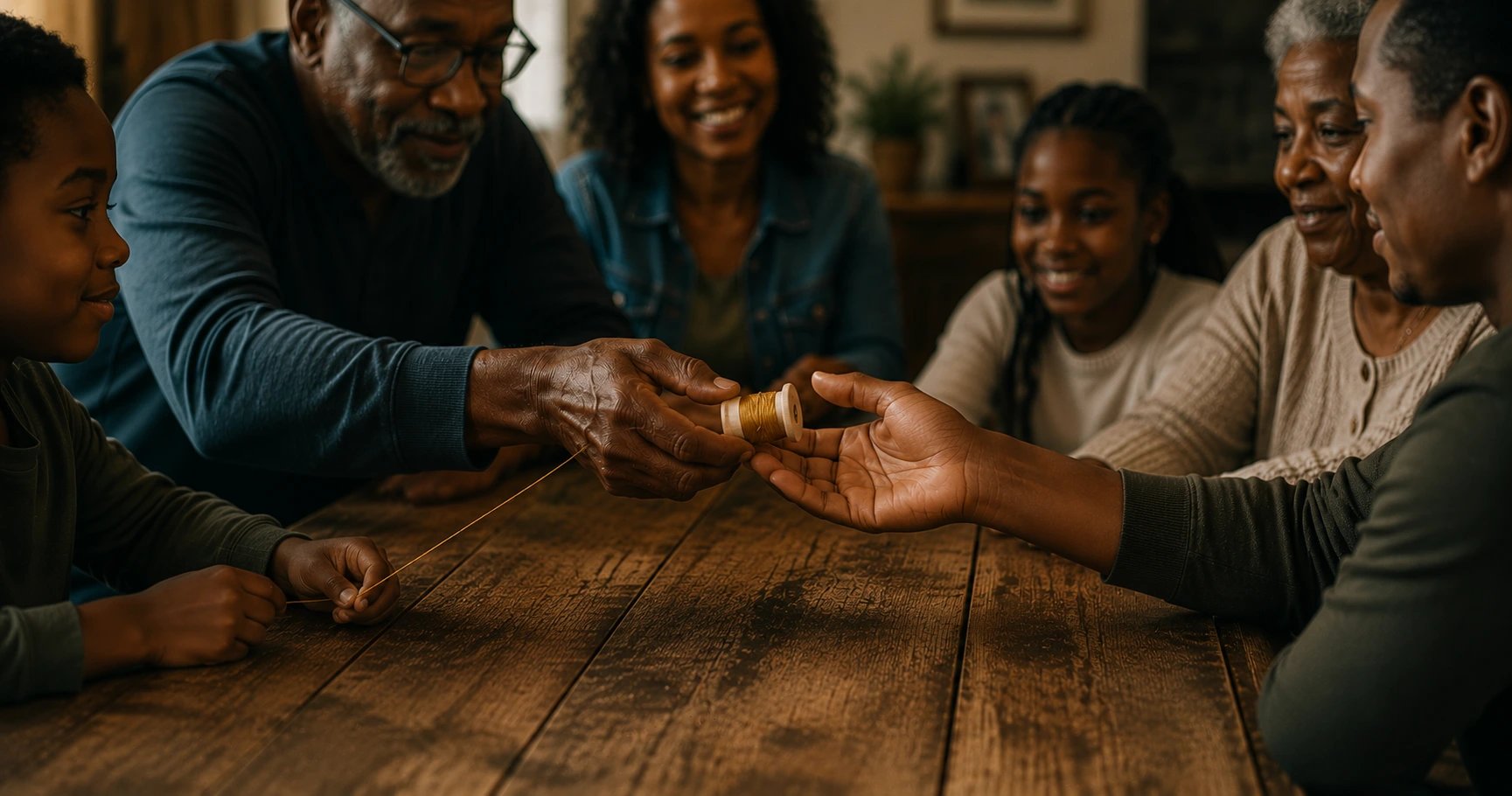
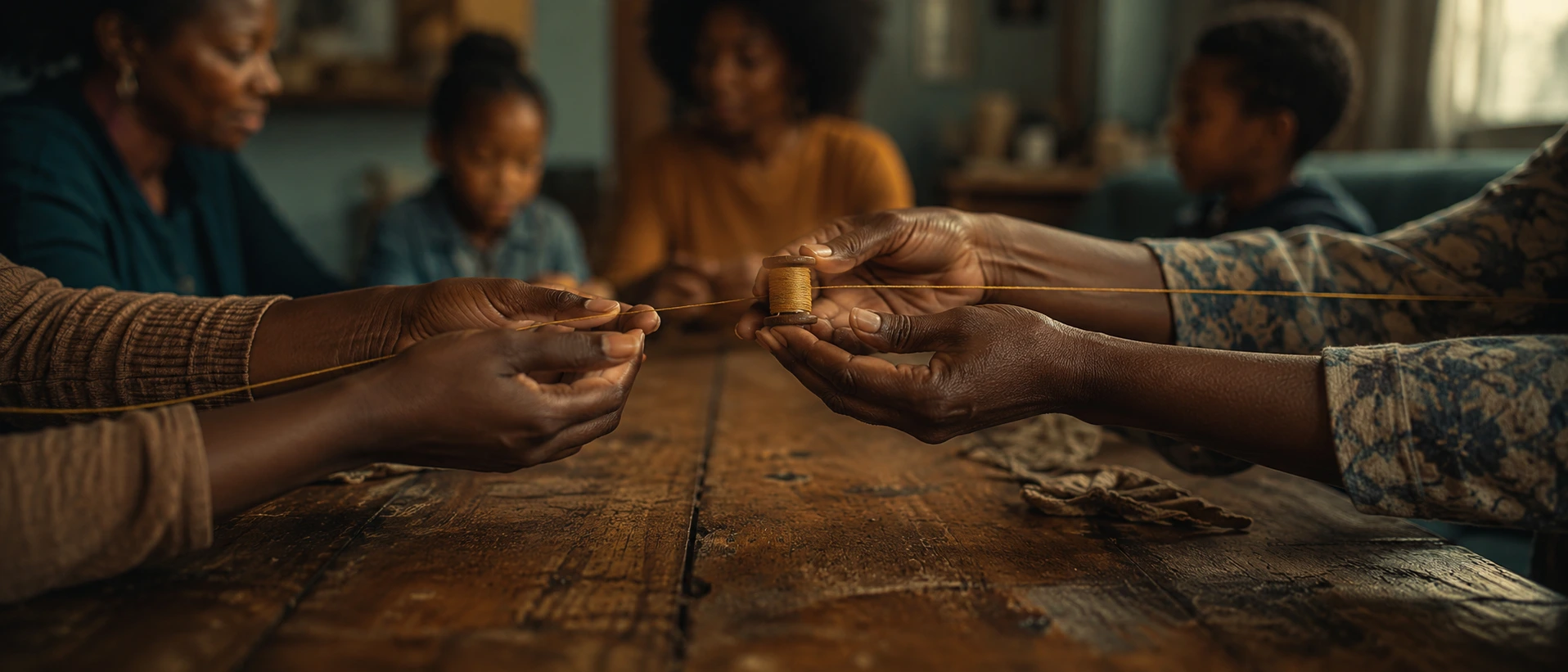
There is no clearer picture of this than a dance passed from one body to the next. A choreography is not written in a vault. It survives only when an older dancer stands in front of a younger one and moves, slowly, until the form lives in new muscles.
Every dance we cover at Dance Mogul Magazine is a legacy that was handed over, not left behind. The styles and traditions we document exist today because someone refused to let the knowing die with them. That same spirit of passing life-knowledge forward is why we built resources like the Family Interplay Guide - tools for the conversations that move what matters from one generation to the next.
You do not have to choreograph anything to leave a legacy of purpose. Whatever you carry - a craft, a faith, a way of treating people - can be handed to someone hand to hand, starting now. Dancers just made an entire art form out of doing exactly that.
What you pass on while you are here is the only part of you that gets to keep going.
Reflection
Take a few quiet minutes with these.
- What do I know that would be lost if I never taught it to anyone?
- Whose story in my family should be recorded before it fades?
- What are the reasons behind my choices that no one has ever heard me say?
- Who is ready to receive something I carry - and have I told them?
- What would I want written on the page my people keep, about how I lived?
- What is one handoff I could begin this month instead of leaving it for later?
Talk About It With Your Family
- What knowledge or skill in our family must not be allowed to disappear?
- Whose stories should we record this year, while we still can?
- What values do we most want to pass to the next generation, and how?
- Who should carry what, and have we actually said so out loud?
- What do we hope people say about how our family lived?
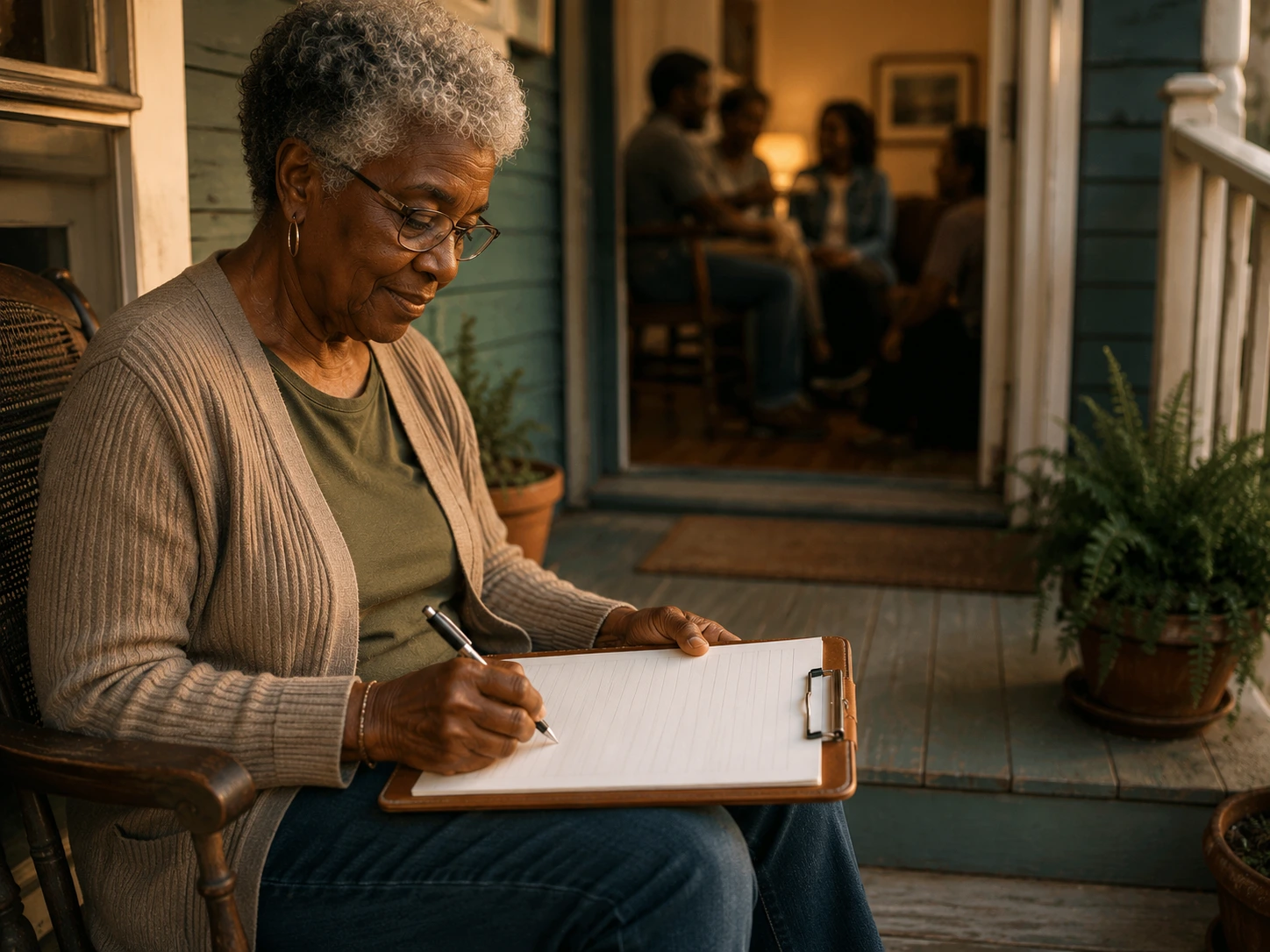
Your Small Action Step: A Purpose Legacy Letter
Take one page and write a short letter to someone who will outlive you. Put in it one thing you know, one reason behind a choice you made, and one hope you have for them.
You do not have to deliver it today. But the writing itself begins the handoff - and it turns legacy from something you leave into something you have already started giving.
Key Takeaways
- A legacy is not what you leave when you go; it is what you hand over while you are still here.
- The legacies that change lives are transfers, not monuments.
- The handoff works best on ordinary days, over years - not in a rush at the end.
- The deepest inheritances are usually not financial: character, knowledge, values, and reasons.
- An ordinary life lived with care leaves the deepest marks.
- What you pass on while you are here is the only part of you that gets to keep going.
Frequently Asked Questions
What does it mean to leave a legacy of purpose?
It means passing on not just what you did but why you did it - your values, knowledge, and reasons - so they keep shaping people after you. And it means starting that handoff now, in person, rather than leaving it entirely for the end.
Do I need to be wealthy or accomplished to leave a legacy?
No. The most lasting legacies are usually not financial. An ordinary life lived with care leaves deep marks in the people shaped by how you showed up. Everyone is already leaving one; the choice is whether to do it deliberately.
When should I start thinking about my legacy?
Now, whatever your age. A legacy handed over across ordinary years is fuller and more reliable than one rushed at the end. Starting early simply means the people who follow you get the complete version.
How is a legacy of purpose different from estate planning?
Estate planning handles the legal and financial transfer, and an attorney should guide it. A legacy of purpose is the transfer of character, knowledge, and values - passed through presence and conversation, not paperwork. You need both.
How do I pass on values to people who do not seem interested?
Lead with stories and questions rather than lectures, and let it happen over time. People rarely absorb values on demand, but they absorb them by watching, and by inheriting the reasons behind your choices when you take the time to say them.
What is the simplest way to begin?
Record one story, or write one short letter to someone who will outlive you. A single honest page started today outlasts a grand plan you never begin.

Where the Path Leads Next
This closes the Purpose & Calling collection - from recognizing a purpose, to reading its clues, to bringing it to work, to giving it away, to handing it on.
But a purpose handed on needs someone ready to lead it forward. That is where the library goes next, into questions of leadership and mentorship. In the meantime, the whole Beyond Wealth journey is waiting whenever you want to begin again.
- How to Find Your Purpose
- How to Find Meaning in Life
- Finding Meaning in Work
- Living a Life of Purpose
- Leaving a Legacy of Purpose — you are here
Dance Mogul Magazine publishes the Beyond Wealth collection for educational and inspirational purposes. It is not financial, legal, tax, medical, or mental-health advice, and it is not a substitute for guidance from a licensed professional who knows your situation. The people described in the examples are composites created for illustration and do not represent real individuals.
© Dance Mogul Magazine. All rights reserved.