 Dance Mogul Magazine
The Spirit of Gratitude Series
Part 3 · The Letter
Dance Mogul Magazine · Lifestyle & Perspective · Part 3 of 3
Real-World Gratitude Example: Gratitude Changes You
How appreciation reshapes perspective, strengthens community, and turns kindness into action.
October 26, 2026 · By Dance Mogul Magazine
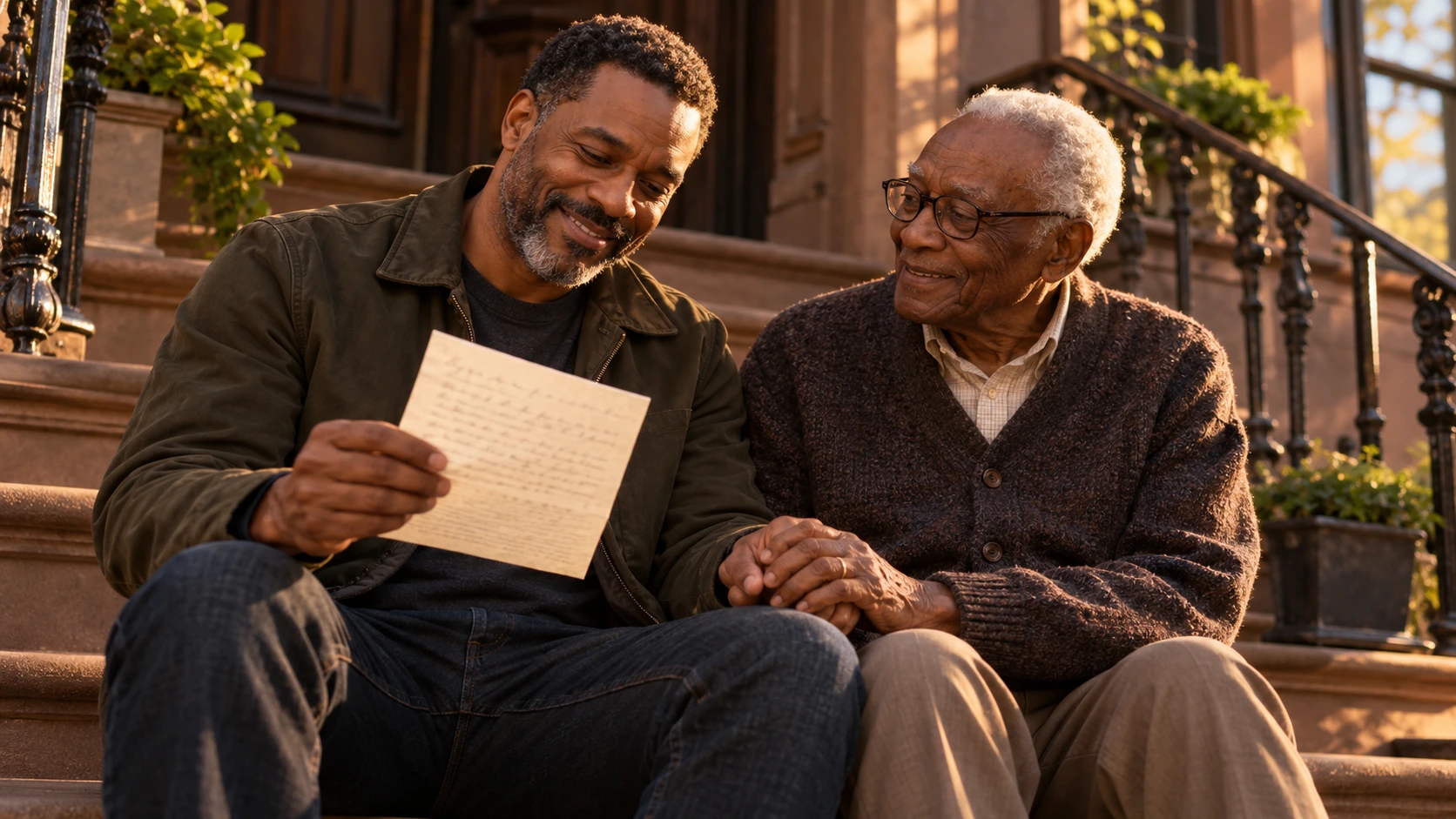
Thirty years later, Marcus read the letter out loud on Mr. Lewis’s front steps. Illustration: Dance Mogul Magazine
HumilityGratitude keeps us grounded.
ConnectionIt builds stronger, kinder communities.
PerspectiveIt helps us see the value in every person.
OpportunityIt opens the door to more good.
Marcus runs a youth dance program now. He is forty-four, with a studio, a waiting list, and former students dancing professionally. One night after class, sweeping the floor himself because the cleaner had called out, he thought of Mr. Lewis for the first time in years—and felt something close to shame.
He had never thanked him. Not properly. Not once.
About This Story
The people and scenes in this real-world example are illustrative composites drawn from everyday experiences, not reporting on specific individuals. The research cited is real and linked below.
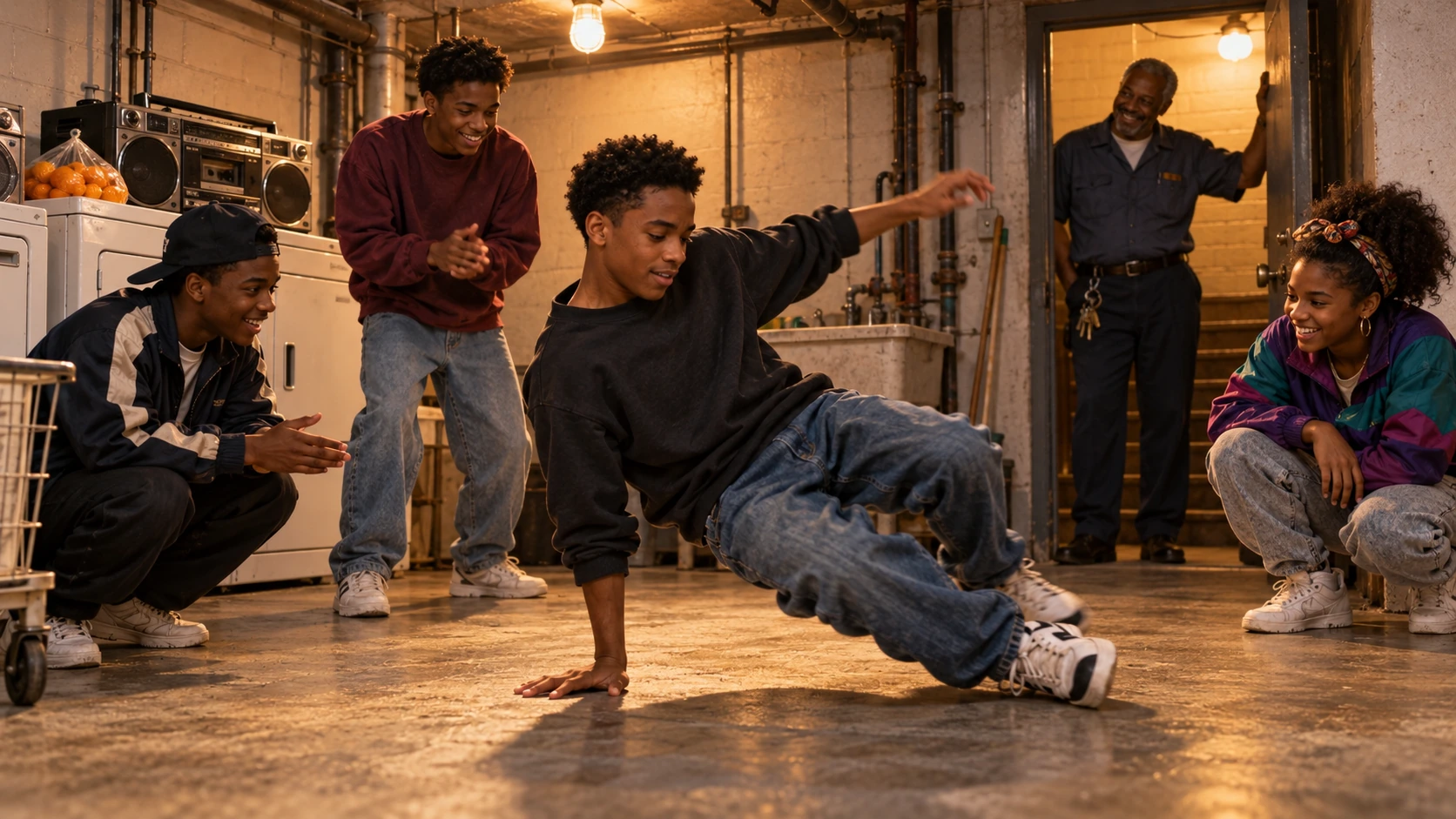
The basement laundry room, swept clean for a crew with nowhere else to practice. Illustration: Dance Mogul Magazine
Help Can Come From Anywhere
A Simple Act, a Profound Lesson
When Marcus was fifteen, his crew had nowhere to practice. The rec center closed early, the park was too cold, and every apartment was too small. Mr. Lewis was the superintendent of the building where Marcus’s family rented.
On winter evenings, he unlocked the basement laundry room, swept a corner clean, ran an extension cord for their radio, and sometimes left a bag of oranges on the dryer. He never asked for anything. He just said, “Lock it when you’re done.”
To a proud fifteen-year-old, Mr. Lewis was “just the super.” Help can come from anywhere—a mentor, a family member, a colleague, or someone the world considers to have less. In those moments, it can be easy to overlook their kindness.
The Letter He Almost Didn’t Send
Three Decades Late, Still Worth It
Marcus wrote the letter that night. He described the basement, the oranges, the extension cord, and what that corner of concrete made possible: the crew, the competitions, the career, the program he runs now. Then he almost did not send it. It felt too late. It felt awkward.
That fear is common. In experiments published in Psychological Science in 2018, Amit Kumar and Nicholas Epley found that people who wrote gratitude letters underestimated how positive their recipients would feel and expected the exchange to be more awkward than it was. UC Berkeley’s Greater Good Science Center recommends delivering a gratitude letter in person when possible.
So Marcus drove to Mr. Lewis’s house, now eighty-two years old, and read it out loud on the front steps. When he finished, Mr. Lewis went inside and came back with a folded flyer from the crew’s first competition. He had kept it for thirty years.
“
The idea that someone is “lower” in life is a human label, not a measure of worth.
DMM Editorial Reflection
Everyone Has Value to Give
Every person has unique gifts, experiences, and wisdom. A kind word from a stranger, a helping hand from someone with fewer resources, or a simple gesture from a colleague can all have a profound impact.
When we are truly grateful, we see that value is not measured by material success or social status, but by the positive impact a person has on our lives and the lives of others. Mr. Lewis never had a title in the dance world. Without him, there would be no program, no waiting list, and no former students on professional stages.
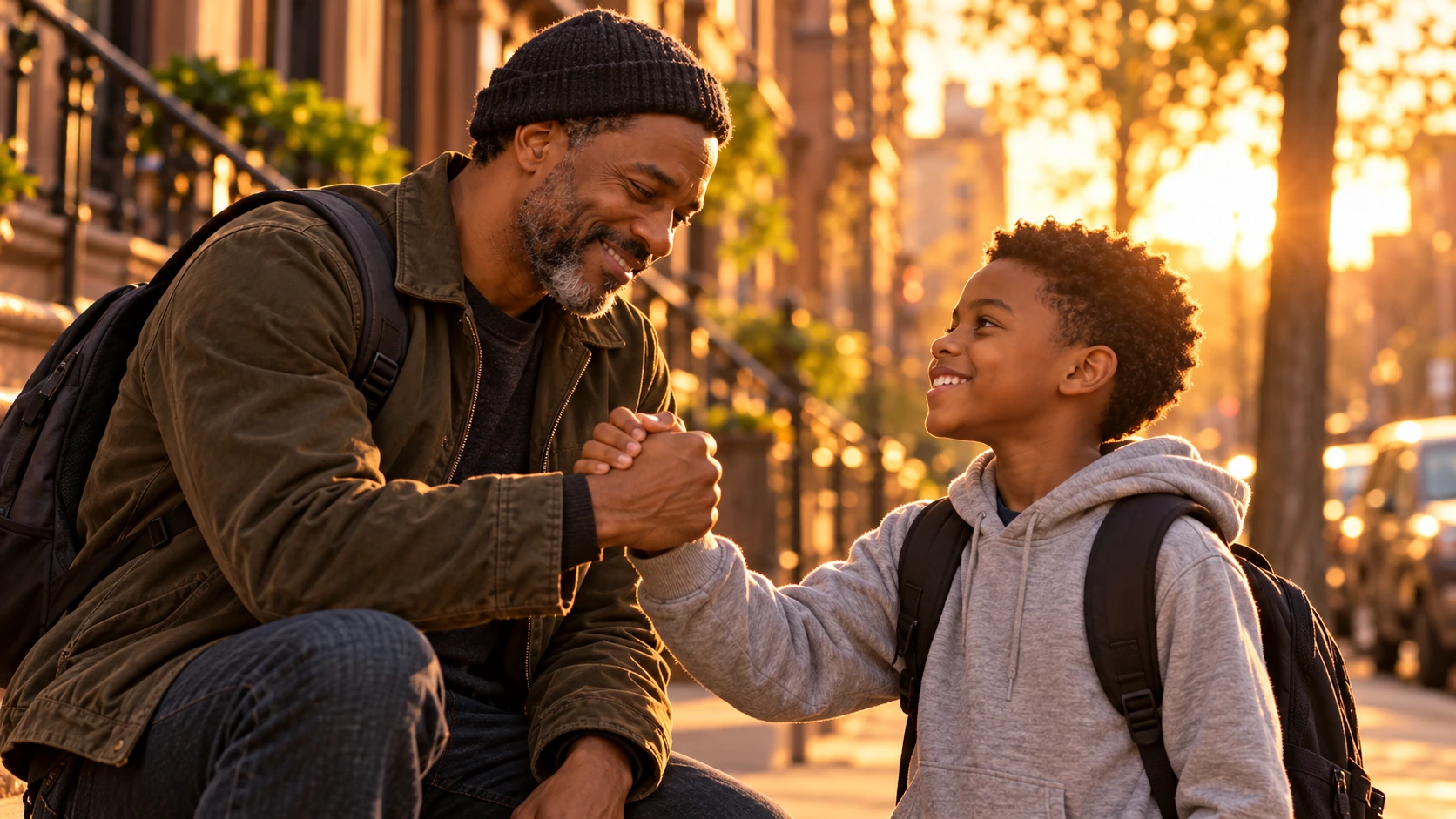
Gratitude changed how Marcus teaches—and how he treats everyone in the building. Illustration: Dance Mogul Magazine
A Shift in Perspective
What Gratitude Did to Marcus
The letter was meant for Mr. Lewis. It changed Marcus.
He learned the name of the night cleaner at his studio and started thanking her by name. He began listing the parents who drive carpools and the volunteers who run the front desk in every showcase program. He started giving his assistants credit from the stage.
And he opened “Mr. Lewis’s Room”: free open-floor practice on Saturday mornings for young dancers who have nowhere else to train. The sign on the door says Lock it when you’re done.
A Bigger Impact
The Ripple Effect
Gratitude did not stop with Marcus. His students began noticing the people who look out for them. During a summer showcase, a ten-year-old named Andre carried water bottles to the community center’s security guard without being asked.
Research suggests this ripple is real. In four experiments published in the Journal of Personality and Social Psychology in 2010, Adam Grant and Francesca Gino found that people who were thanked for their help were more likely to help again—and to help other people—mainly because being thanked made them feel socially valued.
When we practice gratitude thoughtfully, it can help us become more humble, more open, and more connected. Gratitude turns everyday moments into opportunities for growth, compassion, and change.
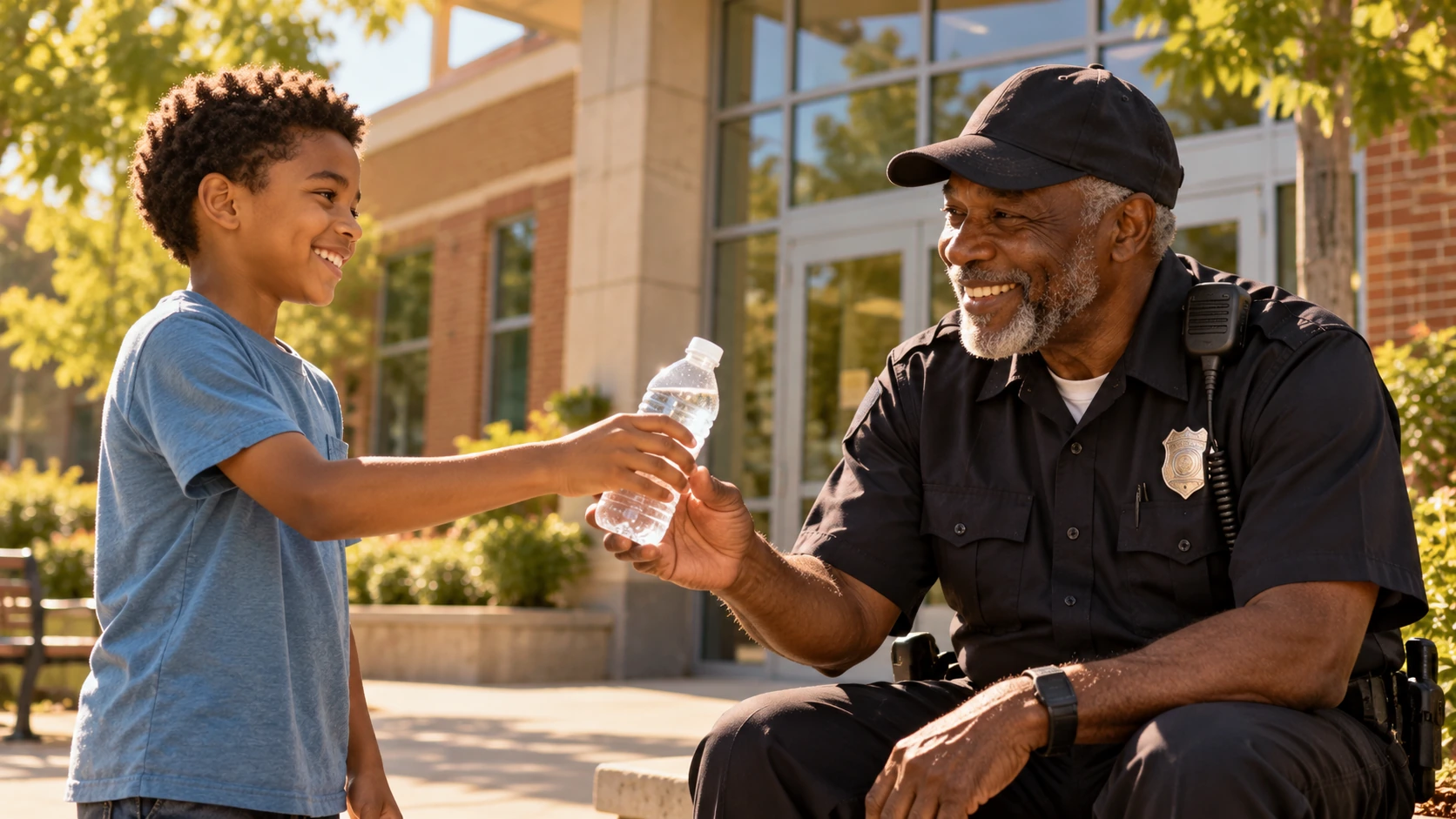
The ripple: his students started looking out for the people who look out for them. Illustration: Dance Mogul Magazine
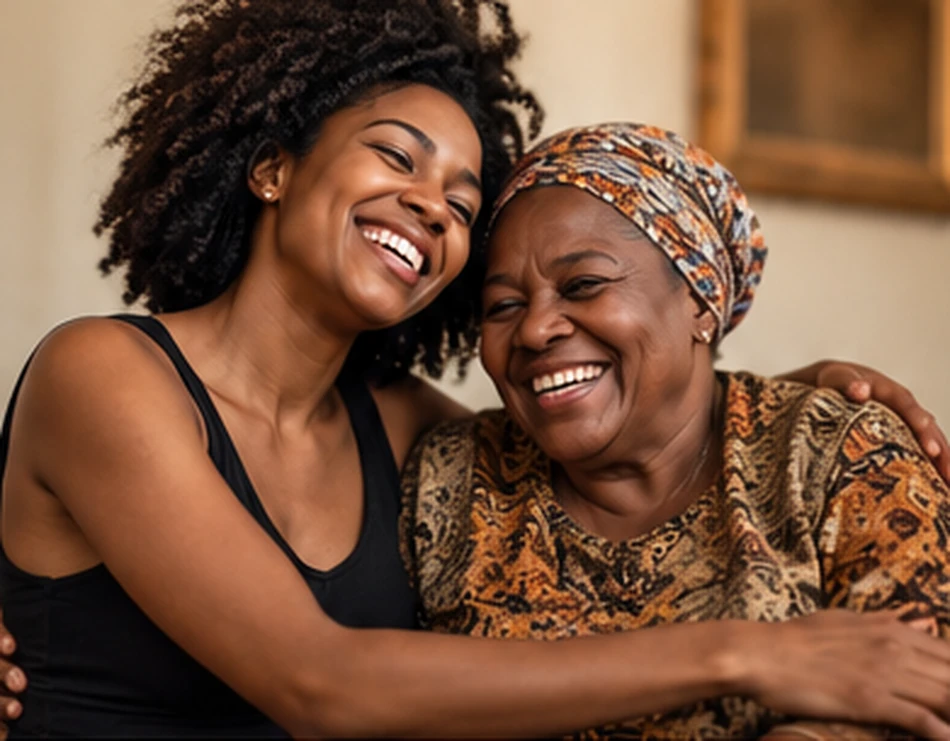
Gratitude often starts with the people closest to us. Illustration: Dance Mogul Magazine
The Many Forms of Gratitude
What Gratitude Looks Like in All Forms
Gratitude is more than saying “thank you.” It is a mindset and a way of living that shows up in many ways:
- Recognition — noticing and valuing the effort, no matter how small.
- Respect — treating the person with dignity and appreciation.
- Kindness — responding with warmth and generosity.
- Reciprocity — looking for ways to give back, when possible.
- Inspiration — letting their example motivate us to be more giving and compassionate.
- Community — building stronger, more connected relationships.
Write Your Own Gratitude Letter: A 15-Minute Guide
- Choose someone you never properly thanked. Start with a person whose role was easy to overlook: a custodian, a coach’s assistant, a neighbor, a bus driver.
- Be specific. Describe exactly what they did, where, and when.
- Name the effect. Tell them how their help shaped your life, then and now.
- Skip perfection. Warm and sincere beats polished. Recipients care about the message, not the prose.
- Deliver it personally if you can. Read it aloud in person or on a call; mail it if you cannot.
- Expect nothing back. The letter is a gift, not a request.
Why This Matters to DMM
DMM’s archive is full of artists who credit the people behind them—the teachers, crews, parents and neighbors who made their careers possible. Legacy is not only what one dancer achieves. It is what a community carries forward.
This series closes with Marcus because his story shows the full arc of DMM’s mission: someone receives kindness, recognizes it, and turns it into opportunity for the next generation. That is self-empowerment through lived experience—and it is available to anyone willing to say thank you, even thirty years late.
Continue The Spirit of Gratitude Series
- Series Opener
Why Should I Be Grateful to Someone I Consider “Below” Me? - Part 1
The True Spirit of Gratitude: Everyone Has Something to Give - Part 2
Real-World Gratitude Example: When Help Comes From Someone Society Overlooks - Part 3 · You are reading
Real-World Gratitude Example: Gratitude Changes You
Frequently Asked Questions
How does gratitude change the person who expresses it?
Gratitude shifts attention from what we lack to who has supported us. Over time it tends to make people more humble, more connected to others, and more likely to pass kindness forward.
What is a gratitude letter?
A gratitude letter is a specific, sincere letter to someone you have never properly thanked, describing what they did and how it affected your life. UC Berkeley’s Greater Good Science Center suggests delivering it in person when possible.
Does thanking people really make them more likely to help again?
Research by Adam Grant and Francesca Gino found that people who were thanked were more likely to help again—and to help other people—mainly because being thanked made them feel socially valued.
Research & Further Reading
This real-world example is an illustrative composite. The research it references is listed here.
- Kumar & Epley — “Undervaluing Gratitude: Expressers Misunderstand the Consequences of Showing Appreciation,” Psychological Science (2018), University of Chicago summary
- Grant & Gino — “A Little Thanks Goes a Long Way: Explaining Why Gratitude Expressions Motivate Prosocial Behavior,” Journal of Personality and Social Psychology (2010), PubMed research record
- Greater Good in Action — Gratitude Letter practice
- Read the series opener: Why Should I Be Grateful to Someone I Consider “Below” Me?
Related DMM reading: Cultural Succession: A Message to the Next Generation · Mentorship · Kim Gingras on Taking Risks and Remaining Humble
Dance Mogul Magazine
Inspiring Self-Empowerment Through Dance Culture
© 2026 Dance Mogul Magazine LLC